Democratic
Chess
A chess set whose figures are network cameras. Each one can look around, listen and talk — to the other figures and to the two people playing.
Play Democratic Chess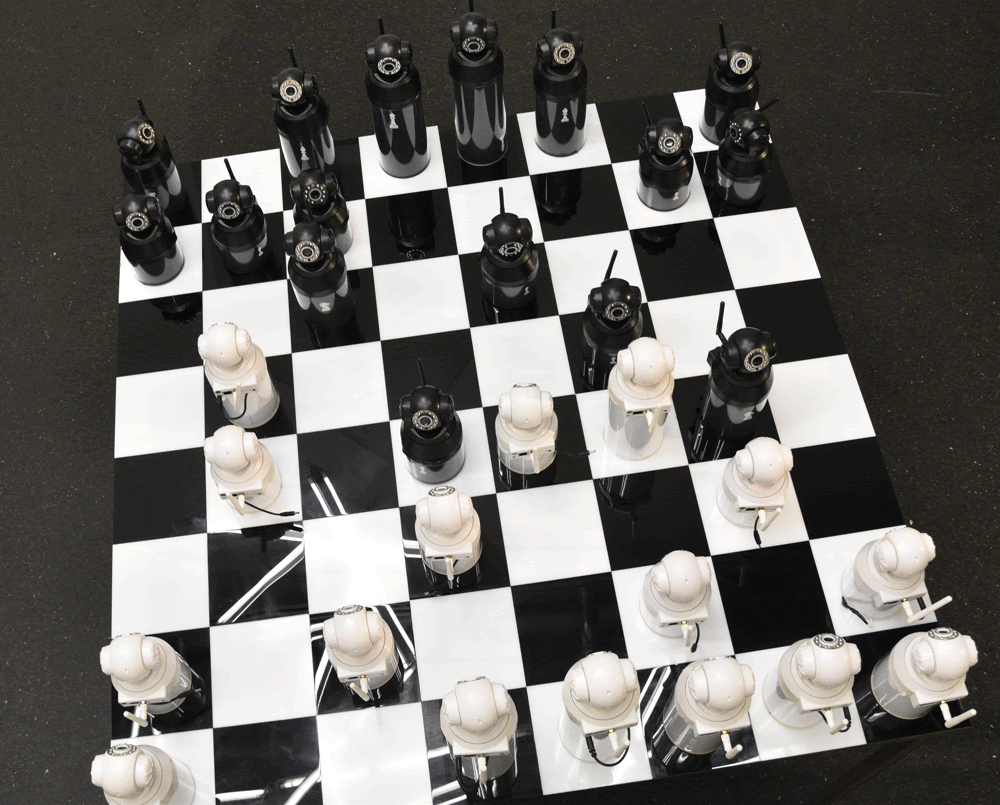
Through the looking-glass
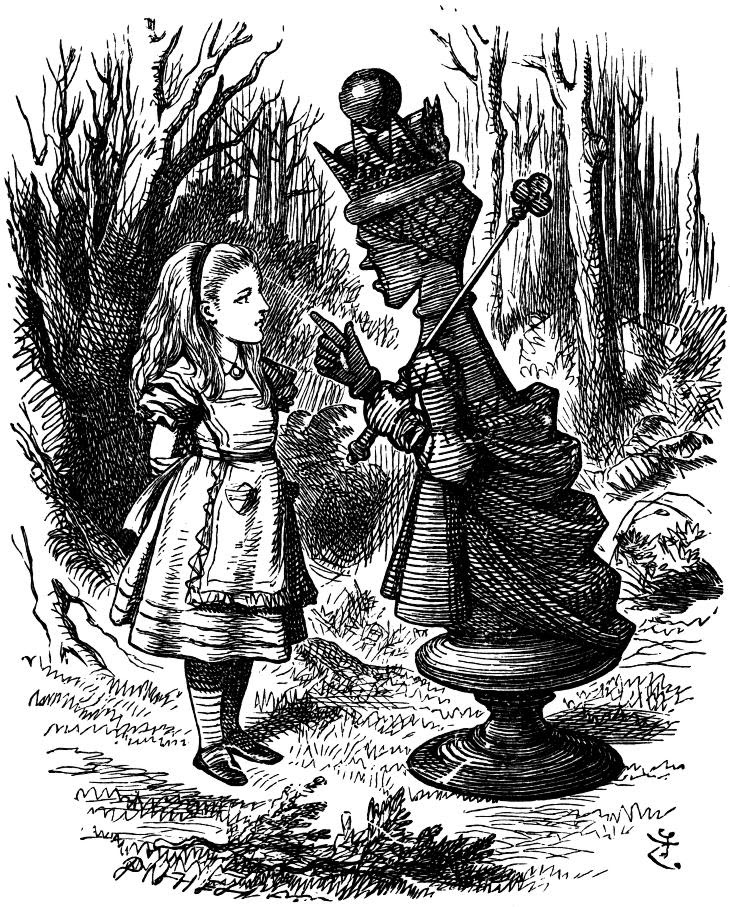
The project starts from Lewis Carroll’s Through the Looking-Glass: a story played out as a game of chess on a giant board of fields instead of squares. Its main characters are chess pieces, and Alice herself is turned into a pawn.
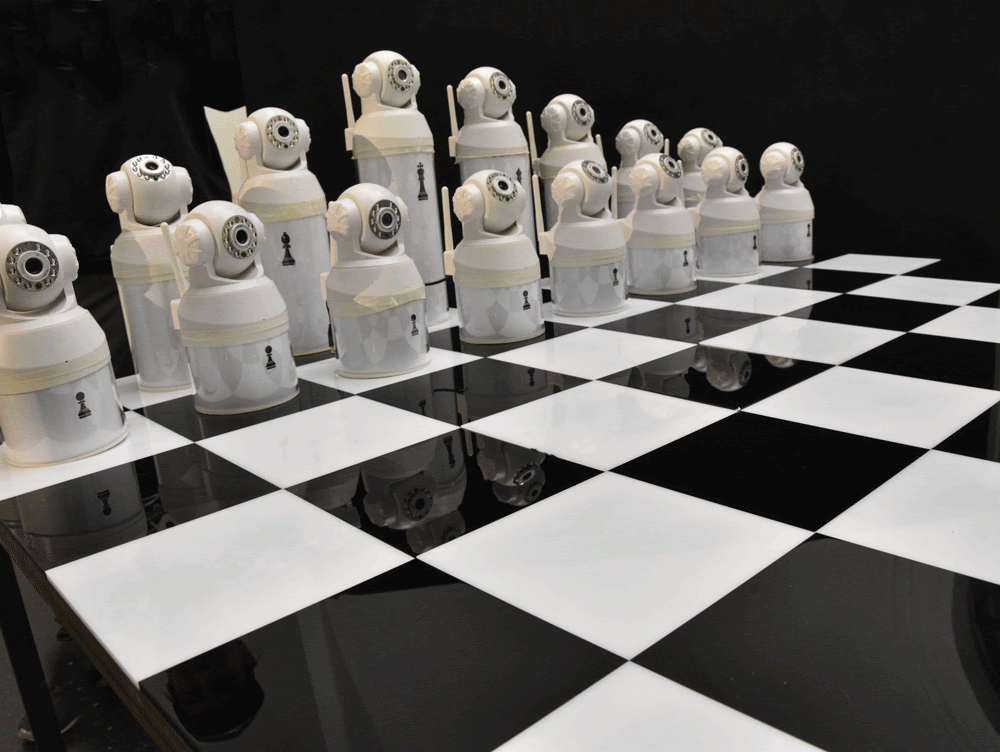
Democratic Chess gives the pieces that voice. In place of figurines, Wi-Fi network cameras stand on the board — each able to look around, listen, and speak with the other figures and with the two people playing.
How a move is decided
Because the figures can see, hear and speak, the game can be played in a number of different ways.
- By the figures
- A move can be decided democratically, discussed by every figure involved.
- In debate
- Figures can argue a move with one of the players, or with each other, before it is carried out.
- By the players
- In the end, the two people at the board still have the final say.
Play it in your browser
The playable version takes the idea one step further. The players only decide which figure moves; the figure decides where it goes, judging the board through its own camera.
Take any of the 34 roles — player or figure. The computer plays the rest, and they talk at the table while you think.
Play Democratic Chess